
Pregnancy and motherhood bring many changes to the body, and for many women, the breasts are one of the areas where these changes become most noticeable. Loss of volume, reduced fullness, changes in breast shape, and breast drooping are all common after pregnancy and breastfeeding.
While these changes are completely natural, they can leave some women feeling that their breasts no longer reflect how they looked or felt before having children.
At Breast Augment, Consultant Plastic Surgeon Mr Ali Juma regularly helps women from across the Wirral explore their options following pregnancy and breastfeeding. Through a detailed consultation and personalised treatment planning, patients can understand whether breast augmentation, a breast uplift, or a combination of procedures may be the most suitable way forward.
About Mr Ali Juma
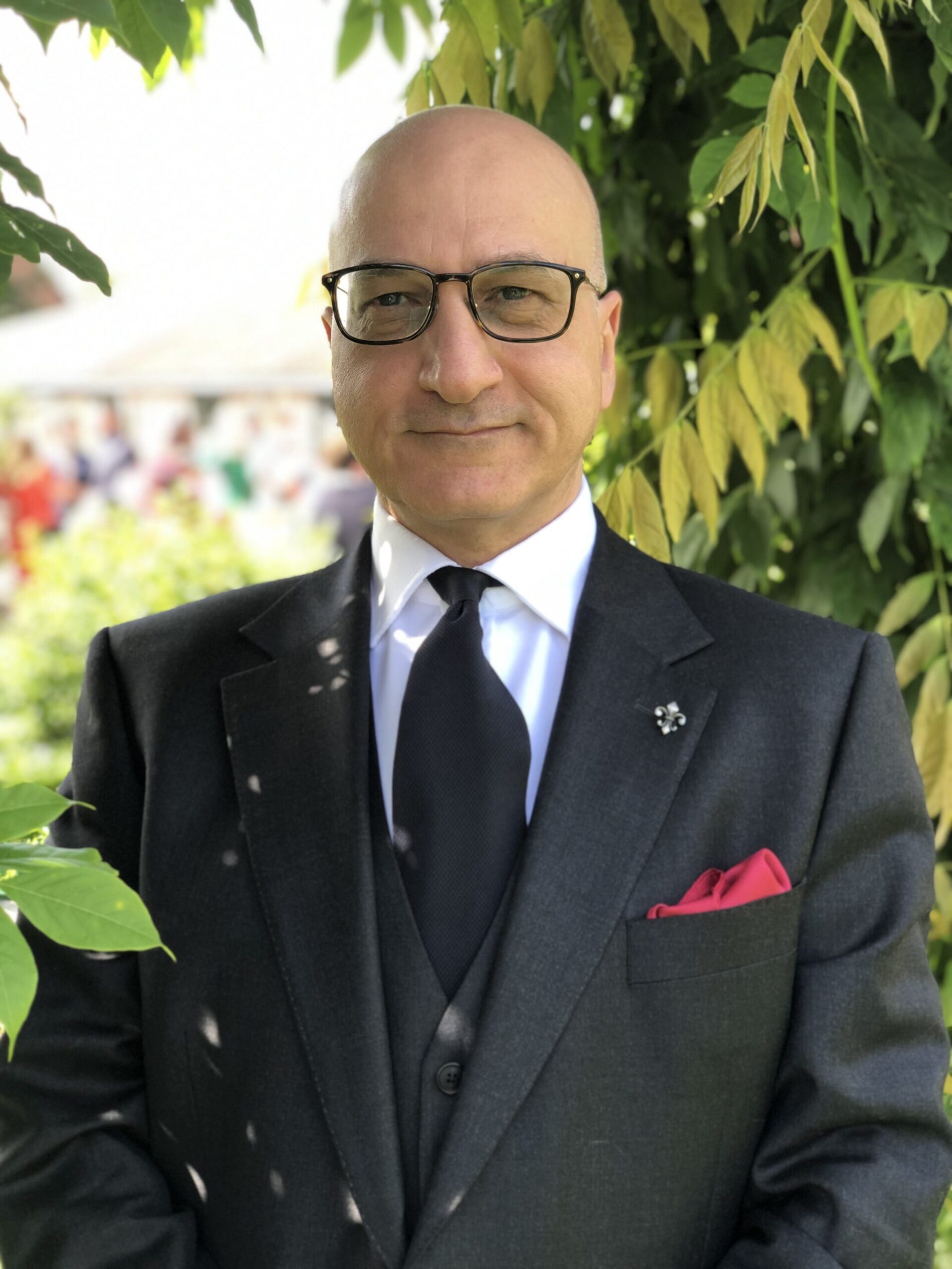
Mr Ali Juma is a Consultant Plastic Surgeon with 25 years of experience in cosmetic and reconstructive breast surgery. He is registered with the General Medical Council, GMC number 3250293 and is a member of BAAPS / UKAAPS/ISAPS.
All consultations are carried out personally by Mr Juma, ensuring that you meet him in your consultations. will perform your procedure and oversees your aftercare.
Common Breast Changes After Pregnancy
Every woman’s body responds differently to pregnancy and breastfeeding. Some notice only subtle changes, while others experience more significant differences in breast volume and shape.
Common concerns include:
- Loss of breast volume following breastfeeding
- Reduced fullness in the upper breast
- Breast drooping (ptosis)
- Stretched skin
- Changes in breast shape
- Breast asymmetry
- Changes following weight loss after pregnancy
These changes occur because the breasts naturally enlarge during pregnancy before reducing in volume once breastfeeding has finished. Skin elasticity and hormonal changes can also influence the final appearance.
Breast Augmentation or Breast Uplift – Which Is Right for You?
One of the most common questions patients ask is whether they need breast implants or a breast uplift. The answer depends on what changes have occurred and what you would like to achieve.
When Breast Augmentation May Be Suitable
Breast augmentation is often recommended when the primary concern is a loss of breast volume.
Breast implants may help:
- Restore fullness
- Improve upper breast volume
- Enhance breast projection
- Improve body proportions
- Create a fuller appearance
Many women who were previously happy with their breast shape simply wish to regain the volume lost after pregnancy or breastfeeding.
When a Breast Uplift May Be More Appropriate
If the breasts have dropped significantly or the nipples sit lower than before pregnancy, a breast uplift (mastopexy) may be the more suitable procedure.
A breast uplift can:
- Reposition breast tissue
- Improve breast shape
- Lift the nipple position
- Remove excess skin
While implants increase volume, they cannot always correct breast drooping on their own.
When Both Procedures Are Recommended
Some women experience both loss of volume and breast drooping. In these situations, Mr Ali Juma may recommend a mastopexy augmentation, combining breast implants with a breast uplift to restore both volume and breast position.
Every recommendation is tailored to the individual following a thorough assessment.
Choosing the Right Implant
If breast augmentation is appropriate, selecting the right implant is an important part of the treatment journey. During your consultation, Mr Ali Juma will discuss:
Implant Size
Implants are available in a wide range of sizes, selected according to your anatomy, body proportions, and desired outcome.
Implant Shape
Patients may choose between round implants and anatomical (teardrop) implants. Each offers different aesthetic characteristics, and the most suitable option will depend on your treatment goals.
Implant Profile
Implant profile refers to how far the implant projects forward from the chest wall. A low-profile implant creates a subtler, wider appearance, while a high-profile implant of the same volume creates more forward projection and a fuller look. The right profile depends on your chest width, existing breast tissue, and the outcome you want – for example, many women wanting to restore upper-breast fullness after breastfeeding find a moderate or high profile achieves this most naturally.
Implant Placement
Implants may be positioned above the muscle, partially beneath the muscle, or fully beneath the muscle. The most appropriate approach will be explained during your consultation.
Recovery After Breast Augmentation
Recovery is an important part of achieving the best possible outcome. Patients receive detailed guidance covering:
- Returning to everyday activities
- Looking after the surgical area
- Wearing post-operative support bras
- Exercise restrictions
- Lifting young children safely
- Follow-up appointments
Many mothers are understandably concerned about caring for young children during recovery. Planning additional support at home during the first few weeks can help make recovery more comfortable.
As part of Breast Augment’s commitment to comprehensive aftercare, patients may also be advised on specialist post-operative support garments. The practice works with trusted partners, including LipoElastic Medical Products, whose compression bras are designed to provide support and comfort during the healing process. You can find out more about these products on our Brand Partners page.
Understanding the Risks
As with any surgical procedure, breast augmentation and breast uplift surgery carry risks. These will be discussed openly during your consultation so you can make a fully informed decision.
Potential risks include infection, bleeding, changes in nipple sensation, scarring, capsular contracture (scar tissue forming around the implant), and the possibility that implants may need to be replaced or removed in the future. Breast implants are not lifetime devices, and further surgery may be required at some point.
If you are planning more children, it is also worth knowing that future pregnancies and breastfeeding can affect your results.
Mr Juma believes patients make the best decisions when they have honest, balanced information. No patient is ever encouraged to proceed with surgery, and you will always be given time to reflect after your consultation before making a decision. A minimum two-week cooling-off period applies between consultation and surgery.
What Results Can You Expect?
Every patient’s results will be unique. Factors influencing outcomes include existing breast tissue, skin quality, the degree of breast drooping, implant selection, and how your body heals.
The aim is not simply to increase breast size, but to restore natural balance, improve breast shape, and help patients feel comfortable and confident in their appearance.
Supporting Women Across the Wirral
Breast Augment supports women from across the Wirral who are considering breast surgery following pregnancy and breastfeeding. Patients visit from across the peninsula, including West Kirby, Heswall, Wallasey, and Birkenhead, for consultant-led advice from Mr Ali Juma.
Every patient receives personalised treatment planning, honest guidance, and comprehensive aftercare designed around their individual goals.
Why Choose Breast Augment?
Women across the Wirral choose Breast Augment because of its specialist focus on breast surgery and patient-centred care. Patients benefit from:
- Consultant-led care from Mr Ali Juma
- Specialist expertise in breast augmentation and breast uplift surgery
- Personalised treatment planning and detailed consultations
- Advanced implant options
- Natural-looking treatment outcomes
- Comprehensive aftercare support
Every treatment recommendation is tailored to the individual, ensuring patients receive honest advice and realistic expectations throughout their journey.
Frequently Asked Questions
Can I have breast augmentation after having children?
Yes. Many women choose breast augmentation after pregnancy and breastfeeding to restore lost breast volume. A consultation will determine whether this is the most appropriate option for your goals.
Will I need a breast uplift instead of implants?
Not necessarily. Some women benefit from breast implants alone, while others may require a breast uplift or a combination procedure depending on the degree of breast drooping.
How long should I wait after breastfeeding before surgery?
It is generally recommended to wait until your breasts have fully settled following breastfeeding. Mr Ali Juma will advise you during your consultation.
Will breast augmentation restore my pre-pregnancy breasts?
Breast augmentation can restore lost volume, but if significant skin laxity or drooping is present, a breast uplift may also be recommended to achieve the best result.
What are the risks of breast augmentation?
All surgery carries some risk, including infection, changes in sensation, scarring, and capsular contracture. Implants are not lifetime devices and may need replacing in the future. All risks are discussed in full at your consultation.
How long is recovery after breast augmentation?
Recovery varies between individuals, but most women can return to light daily activities within a couple of weeks. Full recovery takes longer and will be discussed during your consultation.
Can I still have more children after breast augmentation?
Many women go on to have successful pregnancies following breast augmentation. Future pregnancies may naturally alter the appearance of the breasts, and this is something that can be discussed during your consultation.
Editorial notes (delete before publishing)
- The town list has been trimmed from ten place names to four to avoid a keyword-stuffing pattern.
- A new “About Mr Ali Juma” section and “Understanding the Risks” section have been added; verify all red placeholder claims with the practice.
- A risks FAQ has been added to match the new section and target related search queries.
- The meta description has been shortened to fit within ~155 characters.
- The “Implant Profile” section has been expanded to give real substance rather than a single deferring sentence.