Why Pets Can Increase Infection Risk After Cosmetic Surgery — and How Women Can Stay Safe Following Cosmetic SurgeryAre you recovering from cosmetic surgery?
Learn why pets can increase your risk of infection after surgery and how women can safely manage their recovery for beautiful, aesthetically pleasing and healthy results.
Introduction
At Breast Augment Limited we understand that cosmetic surgery is more than just a procedure — it is a personal journey toward feeling confident, refreshed, and empowered. Our experienced team supports women every step of the way, from the moment they walk through our doors in our CQC accredited clinic to full post-surgical recovery. Our ethos is simple, safety-first safety always.
While many patients focus on rest, balanced diet, and wound care after their surgery, one important factor is often overlooked — the impact of pets and animals on healing.
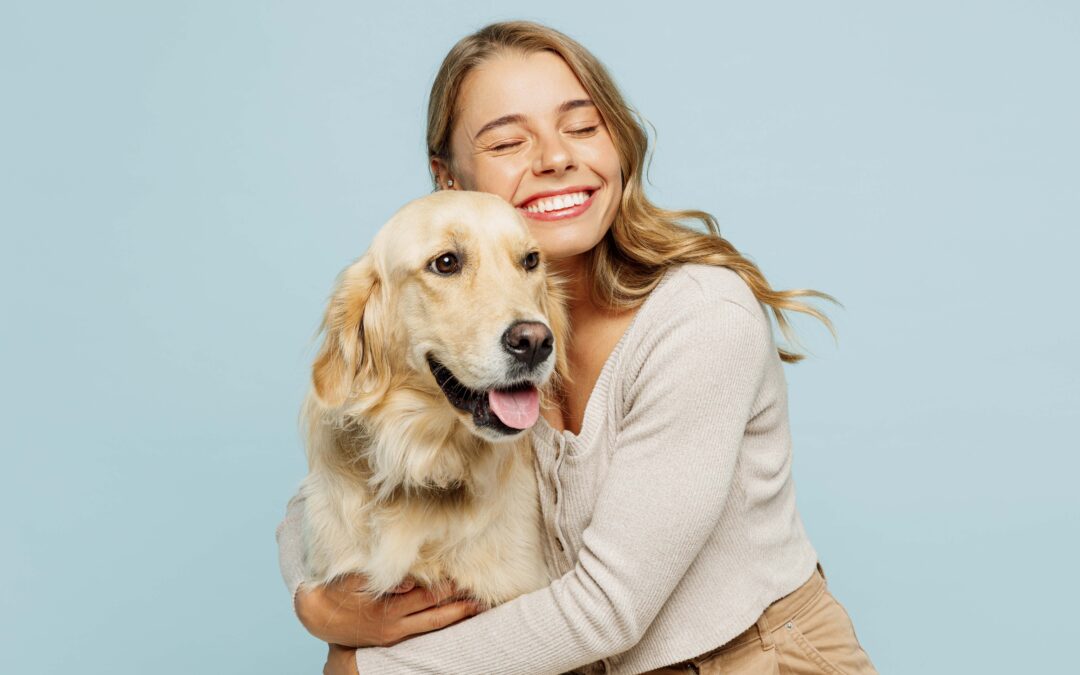
For women who share their homes with dogs, cats, or other furry or non-furry companions, understanding how animals can increase the risk of infection is essential for a safe and successful recovery.
Cosmetic Surgery Recovery: What Many Women Overlook
Cosmetic surgery can transform how you look and feel — but your results depend heavily on proper aftercare. Many women plan their downtime carefully, arranging help at home and preparing for a comfortable recovery.
However, one hidden risk often goes unnoticed: close contact with pets. Even the cleanest animals can unintentionally introduce bacteria and delay healing after cosmetic surgery.
When undergoing breast augmentation with silicone breast implants with or excluding a breast lift (mastopexy or uplift), the stakes are higher, as an infection can lead to the removal of the breast implants and further future surgery.
Why Animals Can Increase Infection Risk After Surgery
Even healthy, well-groomed pets naturally carry bacteria, fungi, and other microorganisms on their fur, paws, in their saliva and faeces. When your immune system is focused on tissue repair, these germs can more easily cause infection.
Here is how animals can interfere with recovery:
- Bacteria in Saliva, Faeces, and Fur
Pets often carry bacteria like Staphylococcus, Pasteurella and Enterobacter. A loving lick near your incision or even gentle contact with fur can transfer bacteria to healing skin.
- Pet Hair, Dander, and Dust
Fur and dander settle on bedding, clothing, and furniture — exactly where most women spend time resting after surgery. If these particles touch your surgical wound or dressing, infection can occur.
- Accidental Scratches or Pressure
A playful nudge, jump, or pawing from your pet can disturb stitches or open incisions, creating a gateway for bacteria to enter.
- Lowered Immune Protection
After surgery, your immune system is busy repairing tissue. This temporary decrease in immune defence makes infections easier to develop.
Warning Signs of Infection to Watch For
If you notice any of the following symptoms during recovery, contact your surgeon right away:
- Redness or swelling around the incision
- Unusual pain or tenderness
- Pus or discharge
- Fever, chills, or fatigue
- An unusual odour
- If you feel unwell, or suffer from unexpected rigors
Early treatment prevents complications and helps maintain your surgical results.
How Women Can Manage Pet Contact During Recovery
Loving your pets doesn’t mean you need to avoid them completely — just take some practical precautions during your healing period.
- Set Up a Pet-Free Recovery Zone
Create a calm, clean space where pets aren’t allowed. This minimises exposure to fur, bacteria, and movement that might disrupt healing.
- Keep Dressings Covered and Dry
Always follow your surgeon’s aftercare instructions. Keep incisions covered with sterile dressings and change them regularly.
- Avoid Close Contact Until Fully Healed
As tempting as it may be, avoid cuddles and face-to-face contact until your surgeon confirms your incisions have healed completely. Also avoid your pet sitting on the operative site or near you. If you unexpectedly touch your pet ensure that you wash your hands and use alcohol gel following each time you have contact with your pet.
- Prioritise Hygiene
- Wash hands before and after touching dressings or surgical areas.
- Change bedding and clothing frequently.
- Vacuum regularly to reduce pet hair and dust, this ought to be performed by someone else until you are given the greenlight by your surgeon to return to daily living activities.
- Ask a friend or family member to assist with pet care during early recovery.
- Follow Professional Guidance
Every woman’s body heals differently. Always attend your follow-up appointments and consult your Breast Augment surgeon before resuming normal pet interaction.
When You Can Reconnect with Your Pets
Most women can safely resume full pet contact 4 to 6 weeks after cosmetic surgery, depending on the type of procedure and individual healing speed. Your surgeon at Breast Augment will provide tailored guidance based on your progress.
Final Thoughts
Pets bring love, joy, and comfort — especially during recovery. But keeping a bit of distance early on is one of the best ways to protect your health and your results.
By maintaining good hygiene, following post-surgery care instructions, and creating a pet-free healing environment, you will recover safely and return to enjoying quality time with your furry friends before you know it.
At Breast Augment, we are here to ensure every stage of your cosmetic journey is smooth, safe, and supported.